Opening: The Problem & The Students
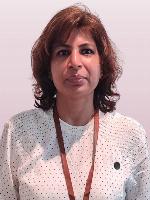
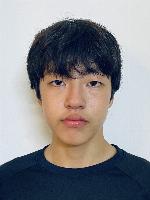
- Student presenters introduce themselves and share personal experiences from Pakistan's 2022 floods
- Visual storytelling: Photos/videos of mangrove loss and flood impact in their community
- The "why": Connection between mangroves, coastal protection, and climate resilience
Engagement:
- Students speak directly to audience, sharing their story authentically
- Poll question (show of hands or digital): "How many have heard about Pakistan's 2022 floods?"
- Quick think-pair-share: "What environmental issues affect YOUR local community?"
Process:
- Student-led narrative (70% student voice, 30% adult facilitator)
- Emotional connection before technical details
The Journey: From Idea to AI Solution
Content:
- Presenters walk through their design process:
- Problem identification: Why mangrove education matters
- Research phase: What they learned about mangroves and conservation
- Why they chose an AI chatbot as their solution
- Tools and platforms used (specific no-code/low-code tools)
-Challenges encountered and how they overcame them
- Iterations based on peer feedback
Engagement:
- Interactive timeline displayed visually
- Audience question prompts on slides: "What would YOU have done differently?"
- Quick audience poll: "What's your biggest concern about student AI projects?" (multiple choice: technical skills, time, resources, safety)
Process:
- Students take turns presenting different phases
- Visual aids: screenshots, process diagrams, student work samples
- Real artifacts: early prototypes vs. final version
Live Demo & Hands-On Exploration
Content:
- Students and adult presenter demonstrate the chatbot in action
- Show how it educates users about mangrove ecosystems, threats, and conservation actions
- Highlight key conversational design choices students made
Engagement:
- Hands-on activity: Attendees access the chatbot on their own devices (QR code provided)
- Small groups (3-4 people) test the chatbot and discuss:
- What makes it educationally effective?
- How could students in their classroom create something similar?
- What local issues could this approach address?
- Gallery walk style: Students circulate to answer questions and get real-time feedback
Process:
- Device-based activity (BYOD - bring your own device)
- Peer-to-peer interaction in small groups
- Student presenters act as facilitators, not lecturers
- Takeaway: Screenshot the QR code to share with colleagues
The Framework
Content:
- Adult educator presents the replicable framework:
- Phase 1: Student-driven problem identification (community issues)
- Phase 2: Research and stakeholder engagement
- Phase 3: Tool selection and technical scaffolding
- Phase 4: Design, build, test, iterate
- Phase 5: Share and measure impact
- Specific tools recommended: [List the actual tools you used]
- Resources needed: time, technology access, support structures
- Assessment strategies: How to evaluate student learning beyond the product
- Addressing common concerns: AI ethics, accuracy, age-appropriateness
Engagement:
- Collaborative activity: Attendees work in pairs to brainstorm:
- One local issue in their community students could address
- One type of educational chatbot students could create
- One barrier they anticipate and potential solutions
- Pairs share out (2-3 examples to whole group)
Process:
- Think-pair-share format
- Digital collaborative doc (Google Doc/Padlet) where attendees post ideas in real-time
- Visual framework handout/slide that attendees can photograph
Impact & Scaling (5 minutes)
Content:
- Students share data: How many peers have used the chatbot, feedback received, behavior changes observed
- Future plans: How they're expanding the project
- Call to action: How educators can support student-led AI projects
Engagement:
- Quick testimonial video from Pakistani students who used the chatbot (if available)
- Reflection prompt: "What's ONE thing you'll try with your students?"
Process:
- Impactful visuals: data, quotes, photos
- Emotional close connecting back to opening story
Q&A and Resource Sharing
Content:
- Open floor for questions
- Share digital resource packet:
- Project framework template
- Tool recommendations with tutorials
- Assessment rubrics
- Contact information for follow-up
Engagement:
- Audience questions directed to students first, adult facilitator supplements
- Exit ticket(digital or paper): One thing they learned, one thing they'll implement
Process:
- QR code to access all resources
- Contact card for ongoing connection
- Invitation to join online community/share implementations
Engagement Summary:
Total Interaction Points: 8 distinct engagement activities
- 2 polls/surveys (digital or show of hands)
- 3 think-pair-share or small group discussions
- 1 hands-on device activity
- 1 collaborative brainstorming activity
- 1 reflection/exit ticket
Peer-to-Peer Interaction: 3 structured opportunities
Device-Based Activities: 2 (chatbot exploration + collaborative doc)
Student Voice: Featured in 50+ minutes of the 60-minute session
Materials Provided:
Attendees leave with:
1. Digital resource packet (QR code access)
2. Project framework template
3. Tool recommendations list
4. Access to the actual chatbot for exploration
5. Contact information for questions
6. Photos of key slides/frameworks
After this session, participants will be able to:
-Facilitate student-led AI projects using accessible chatbot development tools to address authentic community challenges in their own classrooms.
-Implement a replicable project framework that guides students through problem identification, research, AI solution design, and iterative development for real-world issues.
-Identify no-code and low-code AI tools appropriate for middle and high school students to create educational chatbots without programming expertise.
-Design project-based learning experiences that position students as technology creators and changemakers rather than passive consumers of AI.
-Integrate environmental education with AI literacy by connecting local sustainability challenges to hands-on technology development.
Project-Based Learning Research
Buck Institute for Education (PBIEworks) - Gold Standard PBL
https://www.pblworks.org/what-is-pbl/gold-standard-project-based-learning
Research foundation for authentic, student-driven projects that address real-world problems.
Climate Education & Youth Action
UNESCO - Education for Sustainable Development
https://www.unesco.org/en/education-sustainable-development
Framework for integrating sustainability and climate action into education, supporting student agency.
Mangrove Conservation Context
IUCN - Mangrove Ecosystems
https://www.iucn.org/resources/conservation-tools/mangroves
Scientific context for mangrove importance in coastal protection and climate resilience, particularly relevant to Pakistan.
| Related exhibitors: | This Month™, Padlet |
 Back
Back Trips and Tours